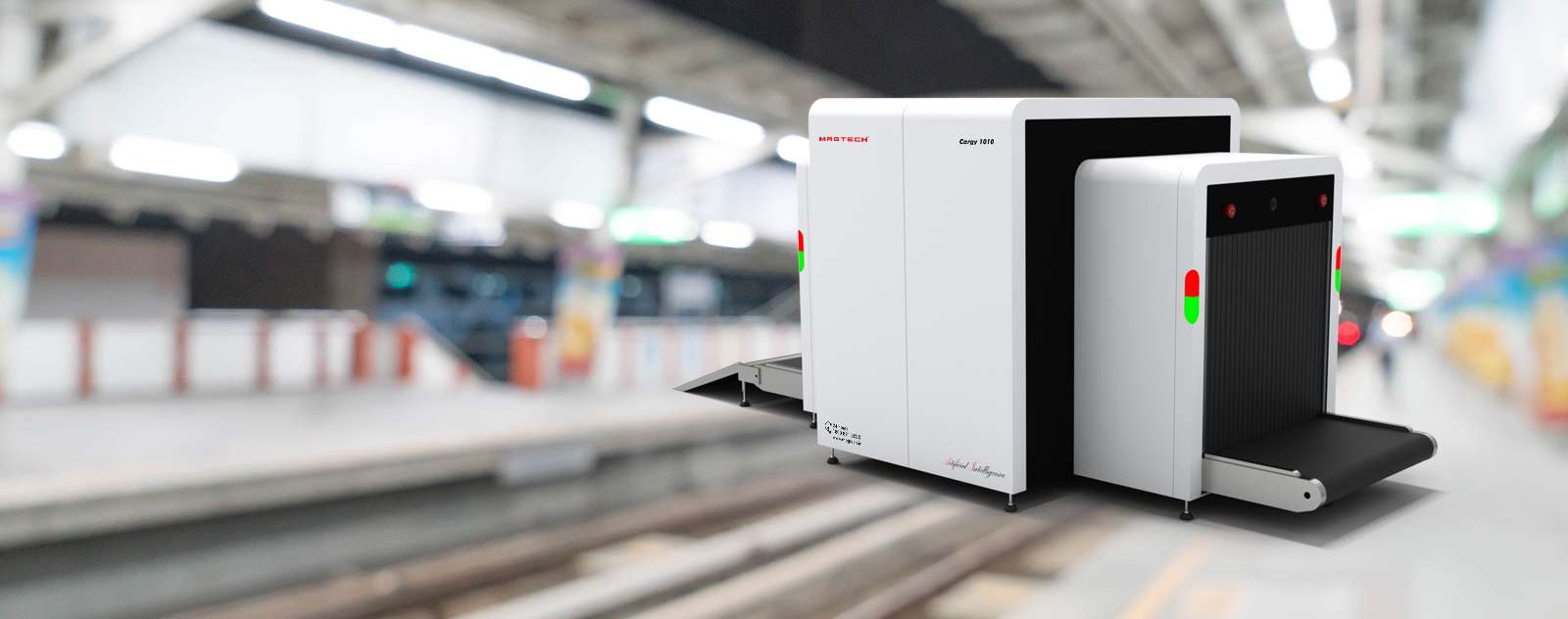
Modern security infrastructure at airports, metro stations, and government facilities increasingly depends on one critical piece of equipment: the X-ray baggage scanner. As passenger volumes grow and security expectations rise, this technology has moved from a basic screening tool to a sophisticated system capable of detecting threats with remarkable precision and speed.
An X-ray baggage scanner works by passing bags through a controlled imaging tunnel, generating detailed visual data that trained operators use to identify prohibited items. Unlike manual searches, this process is non-intrusive, consistent, and dramatically faster, allowing high-traffic facilities to maintain both security standards and smooth passenger flow.
Recent advances in scanner technology have focused heavily on image clarity and material discrimination. Dual-energy imaging now allows operators to distinguish organic materials like food or explosives components from inorganic materials such as metal or dense plastic, using clear color differentiation on screen. This reduces false alarms significantly, meaning fewer bags require secondary manual inspection and checkpoints move faster without compromising thoroughness.
Throughput capacity remains equally important. Facilities screening thousands of visitors daily need scanners with adequate tunnel size for oversized luggage and parcels, along with belt speeds that keep pace with continuous traffic. A scanner that struggles with volume creates bottlenecks precisely when reliable screening matters most.
Reliability is often the deciding factor in long-term satisfaction with any X-ray baggage scanner. Equipment that requires frequent downtime for maintenance introduces genuine security gaps, forcing facilities to rely on slower backup measures. This is why manufacturers increasingly focus on build quality and consistent uptime alongside detection performance.
Companies like Magtech Security Systems design X-ray baggage scanners specifically for demanding B2B environments, including airports, metro networks, and corporate security checkpoints, where accuracy and dependability cannot be compromised.
As security requirements continue evolving across sectors, the X-ray baggage scanner remains a foundational tool for protecting public spaces, balancing detection accuracy, operational efficiency, and long-term reliability in equal measure.