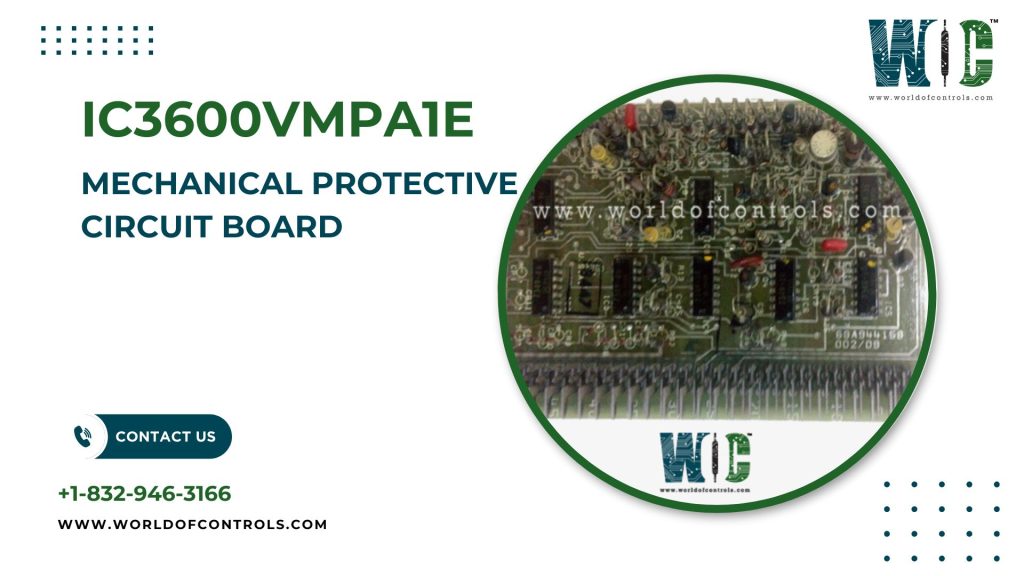
When designing circuit boards, one of the most crucial considerations is ensuring their durability and longevity. In industries where machinery and electronic equipment are exposed to harsh conditions, mechanical protection becomes essential. Circuit boards are the backbone of electronic systems, but they are vulnerable to physical damage, environmental factors, and operational stresses. Here, we explore the importance of mechanical protection in circuit board design, highlighting the critical role of components engineered for these challenges.
What is Mechanical Protection in Circuit Board Design?
Mechanical protection refers to the physical safeguarding of the circuit board from external forces that could lead to damage, malfunction, or failure. These forces may include vibration, impact, thermal stress, moisture, dust, and other environmental factors that threaten the integrity of the circuit board.
Mechanical protection is crucial in ensuring the smooth operation of electronic devices, particularly in demanding applications like industrial machinery, automotive systems, aerospace technology, and heavy-duty electronics. A well-designed protective circuit board helps prevent costly repairs, downtime, and ensures the longevity of the device.
The Role of Mechanical Protection in Circuit Board Design
Mechanical protection is designed to provide a safeguard in environments where standard circuit boards may fail due to external pressures. Protective circuit boards are built to withstand vibrations, shocks, and harsh environmental conditions while ensuring the safety and functionality of the underlying electronic systems.
The mechanical protection provided by such circuit boards involves multiple layers of defense, including:
- Shock Resistance: High-impact resistance ensures that the circuit board remains intact even during abrupt physical movements. This is especially important in heavy industries where equipment often faces sudden vibrations or impacts.
- Vibration Dampening: The protective board absorbs vibrations that might otherwise affect the sensitive components of the circuit, preventing them from loosening or getting damaged over time.
- Thermal Protection: Mechanical protection also extends to temperature extremes. Protective circuit boards are designed to handle thermal fluctuations that may occur due to operational processes, preventing the circuit board from warping or degrading under heat.
- Moisture and Dust Resistance: Moisture, dust, and other environmental elements can cause corrosion and short circuits. The protective board incorporates sealing and protective measures that safeguard against these elements.
- Protection Against Chemical Exposure: For industrial applications, exposure to chemicals can degrade circuit boards. The protective board prevents such damage, ensuring that the components inside function properly even in chemically aggressive environments.
Why is Mechanical Protection Critical for Circuit Boards?
Mechanical protection is essential for several reasons, particularly in the contexts of performance, safety, and cost-efficiency:
- Increased Longevity: Without mechanical protection, circuit boards may degrade more quickly. Components can become loose, corroded, or damaged, leading to premature failure. A protected circuit board ensures the longevity of the system, thus reducing the need for frequent repairs or replacements.
- Minimizing Downtime: In industrial and commercial settings, downtime due to malfunctioning or damaged electronic systems can be costly. By investing in mechanically protected circuit boards, companies can significantly reduce the chances of equipment failure, keeping operations running smoothly.
- Enhanced Reliability: When exposed to harsh conditions, unprotected circuit boards may experience erratic behavior, malfunctions, or even complete failure. Mechanical protection enhances the reliability of the system, making it more resistant to unpredictable physical forces.
- Cost-Effective in the Long Run: Although mechanically protected circuit boards may incur a higher initial cost, the savings in terms of maintenance, repairs, and system downtime make them a wise investment. Protecting the circuit board ensures that the overall system will perform optimally over its lifespan, thus reducing long-term operational costs.
Applications of Mechanically Protected Circuit Boards
Mechanically protected circuit boards find applications across various industries where equipment is subject to harsh conditions. These include:
- Industrial Machinery: Vibration, shock, and dust are common challenges in heavy machinery, making mechanical protection a must.
- Automotive Systems: Circuit boards in vehicles must withstand thermal stress, vibration, and environmental factors such as moisture and dust.
- Aerospace Technology: In aerospace, every component must be rugged and reliable, as failure is not an option.
- Energy and Power Systems: In power plants and other energy infrastructure, circuit boards are exposed to intense conditions, requiring enhanced mechanical protection.
Summary
Mechanical protection in circuit board design is more than just an added feature; it is a necessity for ensuring the durability and functionality of electronic systems, especially in challenging environments. Mechanically protected circuit boards serve as a prime example of how engineering innovations are helping to safeguard critical components against physical damage, environmental factors, and operational stresses. By incorporating such protective solutions into circuit board designs, industries can ensure the longevity, reliability, and cost-effectiveness of their electronic systems, ultimately enhancing performance and reducing the risk of costly downtime.