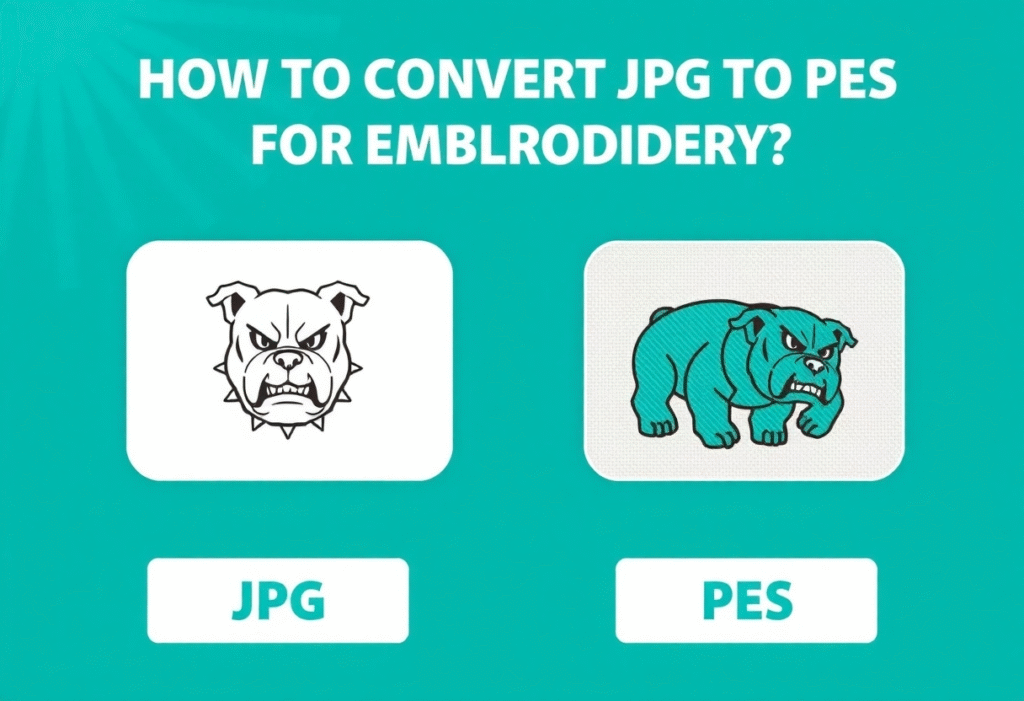
Entrepreneurs are leveraging jpg to PES conversion to launch small businesses, creating custom embroidered products like t-shirts, bags, and gifts. This process transforms raster images into embroidery-ready files, tapping into the £3.2 billion personalized merchandise market. With free tools and strategic planning, jpg to PES conversion offers a low-cost way to enter this thriving industry. Therefore, this article outlines the steps, tools, and benefits of starting a creative venture in 2025, perfect for those combining technology with business ambition. Explore resources like Directory Link to boost your online presence.
Understanding JPG to PES Conversion
JPG files are raster images, ideal for photos but unsuitable for embroidery due to lacking stitch data. Conversely, PES files, compatible with Brother embroidery machines, contain precise stitching instructions. Converting jpg to PES involves digitizing images into machine-readable formats, enabling entrepreneurs to produce professional embroidered items. Free software lowers entry barriers, making this skill accessible for startups aiming to create unique products.
Why Choose JPG to PES for Your Business?
This process provides key benefits:
- Cost-Effective: Free tools like Inkscape minimize startup costs.
- High Demand: 65% of consumers prefer personalized products (2024 survey).
- Precision: PES files ensure accurate, high-quality designs.
- Versatility: Create diverse items for various markets.
As a result, jpg to PES conversion is a profitable skill for entrepreneurs targeting online or local sales.
Business Ideas with JPG to PES
JPG to PES conversion supports multiple ventures:
- Online Stores: Sell custom apparel on Etsy or eBay.
- Local Markets: Offer personalized gifts at craft fairs.
- Branded Merchandise: Produce logoed gear for businesses.
- Event Products: Create unique items for weddings or parties.
For instance, a London-based startup earned £2,000 in two months selling embroidered caps locally, showcasing the potential of this skill.
How to Convert JPG to PES: A Step-by-Step Guide
Follow these practical steps:
Step 1: Select a Suitable JPG
Choose a high-quality JPG with 3–5 colours and clear lines. Use Inkscape to simplify the image, removing complex backgrounds for embroidery compatibility. This step takes 10–15 minutes and ensures a clean design.
Step 2: Create a Vector File
Import the JPG into Inkscape and trace it using the “Trace Bitmap” tool to create an SVG. This vector format maintains clarity during digitizing. Adjust settings to reduce noise, saving the SVG in 5–10 minutes.
Step 3: Digitize to PES
Open the SVG in Ink/Stitch, a free Inkscape plugin. Set stitch types:
- Satin Stitches: For outlines or text.
- Fill Stitches: For solid areas. Adjust density for the fabric (e.g., cotton). Preview the design, then export as a PES file in 15–25 minutes.
Step 4: Test the Design
Load the PES file into an embroidery machine, like the Brother PE550D (£300). Test on scrap cotton with a tear-away stabilizer to avoid puckering. Stitch the design (10–20 minutes), then trim threads to check quality.
Step 5: Produce and Market
Refine the PES file if needed, adjusting stitches in Ink/Stitch. Produce final items on chosen fabrics, like tote bags. Photograph products in natural light, price competitively (£10–£25 for t-shirts), and promote via social media or e-commerce platforms. Marketing can start yielding sales within weeks.
Tools You Need
A basic setup includes:
- Software: Inkscape, Ink/Stitch (both free).
- Embroidery Machine: Brother PE550D or Janome MB-4S (£2,000).
- Materials: Cotton fabrics, polyester threads, stabilizers.
- Accessories: Hoops, scissors, USB drives.
Budget £400–£1,000, recoverable through 15–40 sales. Regular maintenance ensures consistent output.
Tips for Success
Maximize your venture with:
- Niche Focus: Target eco-friendly or local designs.
- Batch Production: Produce 10–20 items to cut costs by 10%.
- Social Media: Use Instagram to boost sales by 20%.
- Skill Growth: Learn advanced stitches via online tutorials.
Eco-friendly materials increased a startup’s sales by 15% in 2024, per industry trends.
Common Mistakes to Avoid
Steer clear of:
- Complex Images: Simplify JPGs to 3–5 colours.
- Wrong Stabilizers: Use cut-away for stretchy fabrics.
- No Testing: Test designs to save £50–£100 in materials.
- Low Pricing: Set rates (£15–£35 for bags) based on market research.
Scaling Your Business
To grow:
- Outsource: Partner with embroiderers for bulk orders.
- Diversify: Offer patches or home decor.
- Collaborate: Work with local boutiques.
- Go Global: Sell on Amazon or eBay.
A 2024 survey found 50% of embroidery startups scaled within 12 months by diversifying products.
Get Started with JPG to PES
JPG to PES conversion is a low-risk, high-reward opportunity for 2025. With a £400 investment, you can earn £800–£2,500 monthly. Start today by exploring jpg to PES resources and launch your creative business.