
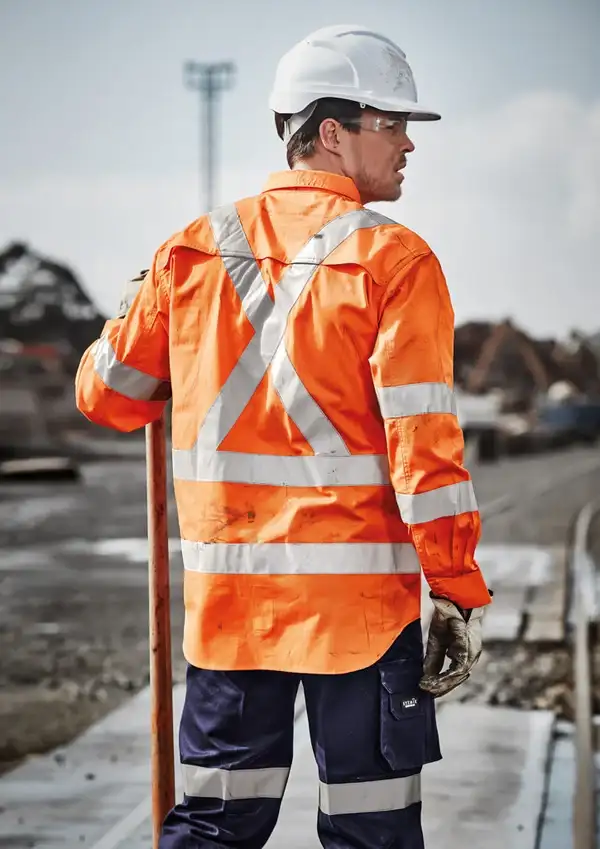
High-visibility clothing is an everyday essential for workers in construction, transport, warehousing, road maintenance, and other industries where being easily seen matters. However, while most workers understand the importance of wearing hi-vis garments, fewer think about how regular washing affects their performance.
A hi-vis shirt may look perfectly usable after months of wear, but repeated washing, harsh detergents, and incorrect drying methods can gradually affect its fluorescent fabric and reflective tape.
This does not mean high-visibility garments should be washed less often. Dirt, grease, and dust can also make clothing harder to see. The important thing is knowing how to clean it properly.
For businesses purchasing high visibility work wear, understanding garment maintenance can help protect visibility, extend clothing life, and reduce unnecessary replacement costs.
Why Is Proper Maintenance Important for High Visibility Clothing?
High-visibility clothing is designed to make workers more noticeable in environments where vehicles, machinery, and other potential hazards are present.
Its visibility generally comes from two important components:
Fluorescent fabric: Helps workers stand out during daylight and suitable low-light conditions.
Retroreflective tape: Reflects light towards its source, helping improve visibility when illuminated by vehicle headlights or other lighting.
Both materials can deteriorate through regular use, environmental exposure, and repeated cleaning.
For example, a construction worker’s shirt may collect concrete dust, sweat, and dirt throughout the day. Without cleaning, these contaminants can cover the fluorescent fabric and reduce its visibility.
However, washing the same shirt incorrectly may damage the material or reflective tape.
The aim is to keep garments clean while following the manufacturer’s maintenance instructions.
How Does Washing Affect Hi-Vis Clothing?
1. Fluorescent Colours May Fade Over Time
Fluorescent yellow and orange fabrics are designed to provide strong contrast against many workplace backgrounds.
However, repeated washing, prolonged sunlight exposure, and normal wear can gradually affect their appearance.
Harsh cleaning chemicals or unsuitable washing temperatures may accelerate colour deterioration.
Once a garment becomes noticeably faded, it may no longer provide the intended visibility.
This is particularly important for workers who spend most of their shifts outdoors.
2. Reflective Tape Can Lose Its Effectiveness
Reflective tape is an important feature of garments designed for certain nighttime and low-light conditions.
Its performance depends on the condition of the reflective material.
Repeated washing, excessive friction, and unsuitable cleaning methods may cause tape to crack, peel, or lose reflective performance.
Some reflective materials are tested for a specified number of wash cycles, but this varies between products.
A garment should not be considered suitable indefinitely simply because its reflective strips are still attached.
3. Fabric Can Become Damaged
Regular laundering can also contribute to fabric wear.
Over time, garments may develop:
Frayed seams or damaged stitching.
Thinning fabric in high-friction areas.
Tears or holes.
Loose or damaged reflective tape.
Changes in fit or garment shape.
Damage can affect comfort, durability, and the garment’s ability to provide the intended coverage.
Workers should inspect clothing regularly rather than relying only on its age.
What Is the Correct Way to Wash High Visibility Clothing?
Proper cleaning begins with checking the garment’s care label.
Different fabrics, reflective materials, and garment constructions may require different washing methods.
Step 1: Check the Manufacturer’s Instructions
Before putting high visibility clothing into a washing machine, read the care label.
It may specify:
Maximum washing temperature.
Recommended washing method.
Whether tumble drying is permitted.
Restrictions on bleach or other chemicals.
Ironing and drying instructions.
Following these directions helps prevent avoidable damage.
Step 2: Remove Excess Dirt
If clothing is covered in mud, dust, or loose debris, remove as much as practical before washing.
This can help prevent excessive dirt from spreading through the wash and reduce unnecessary abrasion.
For garments contaminated with hazardous substances, workers should follow workplace decontamination procedures rather than treating them as ordinary laundry.
Step 3: Use a Suitable Detergent
A mild laundry detergent is often appropriate for everyday workwear, provided it meets the garment manufacturer’s instructions.
Avoid using bleach or aggressive stain removers unless the care label specifically permits them.
Strong chemicals may damage fluorescent dyes, fabric treatments, or reflective materials.
Step 4: Choose the Correct Washing Cycle
A gentle washing cycle may help reduce unnecessary friction, particularly for garments with reflective tape.
Turning clothing inside out can also help protect exterior surfaces where the manufacturer recommends it.
Avoid overloading the washing machine, as garments need sufficient space to move and rinse properly.
Step 5: Dry the Clothing Correctly
Excessive heat may damage certain fabrics or reflective materials.
Where permitted, air drying can be a practical option.
If tumble drying is allowed, follow the temperature instructions provided on the label.
Garments should be completely dry before being stored to help prevent unpleasant odours and moisture-related problems.
How Often Should High Visibility Workwear Be Washed?
There is no single washing schedule suitable for every worker.
The appropriate frequency depends on the job, working conditions, and how dirty the garments become.
For example:
Work Environment
Cleaning Considerations
Construction sites
Dust, mud, and perspiration may require frequent washing
Warehouses
Cleaning frequency depends on daily activity and contamination
Road maintenance
Dirt and vehicle-related grime should be removed promptly
Transport and logistics
Regular washing helps maintain cleanliness and comfort
Outdoor maintenance
Mud, dust, and weather exposure may increase cleaning needs
Workers should wash garments when needed to maintain cleanliness and visibility, while following the manufacturer’s instructions.
Avoiding necessary washing is not a reliable way to preserve hi-vis clothing because accumulated dirt can also interfere with its performance.
Can You Wash Hi-Vis Clothing in a Washing Machine?
Yes, many hi-vis garments are machine washable.
However, machine washing should only be used when permitted by the manufacturer’s care instructions.
Garments with specialised reflective materials, protective treatments, or industrial safety features may require particular cleaning procedures.
For businesses managing employee uniforms, it is useful to establish clear laundry guidelines so garments are maintained consistently.
How Many Washes Can Hi-Vis Clothing Last?
The number of washes a garment can withstand depends on its fabric, reflective tape, construction, and manufacturer testing.
Some reflective materials are rated for a specified number of laundering cycles, such as 25, 30, or 50 washes.
However, these figures are product-specific and should not be treated as a universal replacement schedule.
A garment may require replacement earlier if it becomes badly faded, damaged, or contaminated.
Similarly, completing a stated number of washes does not automatically prove the garment remains suitable for safety use.
Employers should consider the manufacturer’s guidance, garment condition, and relevant workplace requirements.
When Should You Replace High Visibility Clothing?
Even with careful washing, workwear eventually shows signs of deterioration.
Common warning signs include:
Noticeably faded fluorescent fabric.
Reflective tape that is cracked, peeling, or damaged.
Permanent stains covering important visible areas.
Significant tears or holes.
Excessive fabric wear.
Damage that affects the garment’s required coverage or visibility.
If a garment’s suitability is uncertain, it should be assessed according to workplace procedures and manufacturer guidance before continued use.
Replacing worn clothing when necessary is an important part of maintaining workplace safety.
What Australian Standards Apply to High Visibility Garments?
Australian high-visibility safety garments used in high-risk applications are addressed by AS 4602.1:2024.
The associated AS/NZS 1906.4:2023 standard covers relevant high-visibility materials, including retroreflective performance.
These requirements help establish expectations for garment design and material visibility.
However, a garment that met the relevant requirements when new should not automatically be assumed to maintain the same performance after extensive wear, damage, or improper cleaning.
Workers and employers should follow applicable workplace safety procedures, care instructions, and replacement guidance.
About Entire Workwear
Entire Workwear is an Australian retailer supplying work clothing for industries such as construction, transport, warehousing, and general trade work.
Its hi-vis range includes shirts, polos, jackets, vests, hoodies, and other garments designed for different workplace needs.
Customers can explore available clothing styles and compare product specifications, fabric options, and sizing before purchasing.
Why Choose Entire Workwear?
Entire Workwear provides an online shopping option for individuals and businesses looking for hi vis workwear.
Its range allows customers to compare different clothing styles for working conditions, seasonal requirements, and everyday comfort.
When selecting garments, buyers should review the individual product information, including visibility classification and care instructions, to ensure the clothing suits their intended application.
Final Thoughts
Washing high-visibility clothing can affect its safety performance, particularly when garments are exposed to unsuitable cleaning chemicals, excessive heat, or repeated abrasion.
However, failing to wash dirty clothing can create visibility problems of its own.
The best approach is to follow the manufacturer’s care instructions, remove dirt regularly, inspect garments for damage, and replace them when they no longer meet workplace requirements.
By treating garment maintenance as part of everyday workplace safety, businesses can help employees remain visible while making better use of their workwear investment.