
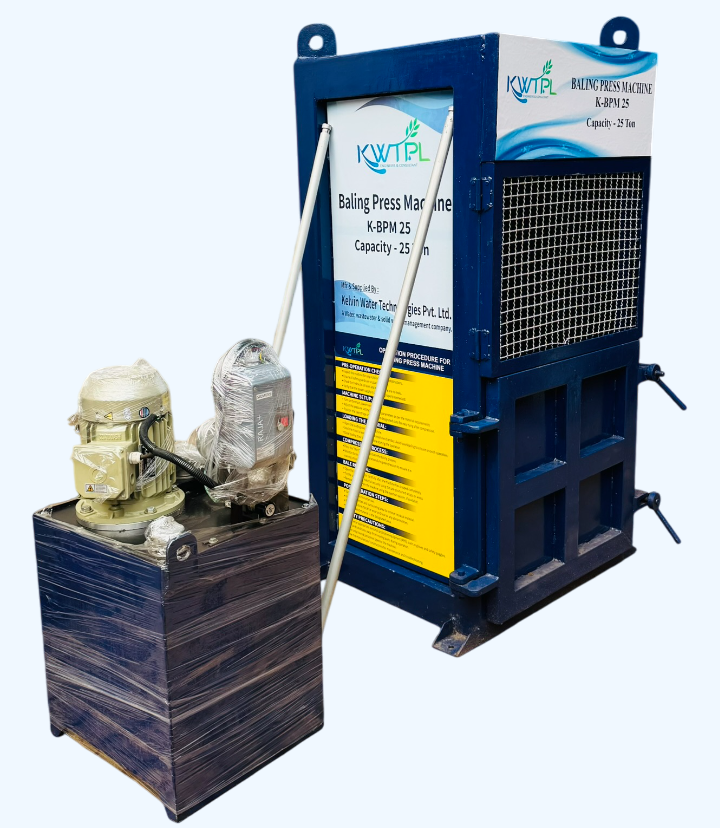
In the era of rapid industrialization and increased consumption, effective waste management and material recycling have become critical components of sustainable development. Every industry—from manufacturing and retail to agriculture and logistics—generates significant volumes of waste materials such as paper, plastic, metal scraps, textiles, and cardboard. Managing this waste in a cost-effective and eco-friendly manner is a pressing concern for businesses worldwide. One technology that has proven instrumental in addressing this challenge is the Baling Press Machine.
A baling press machine is an industrial device that compresses waste materials into compact, manageable bales, making storage, handling, transportation, and recycling much more efficient. In this article, we’ll explore what a baling press machine is, how it works, the various types available, its industrial applications, and the top benefits it offers to modern businesses.
What is a Baling Press Machine?
A baling press machine, often referred to simply as a baler, is a mechanical system designed to compress loose, bulky waste materials into compact, easy-to-transport bundles or “bales.” These machines apply hydraulic or pneumatic force to reduce the size of waste materials such as:
- Cardboard and paper
- PET bottles and plastic waste
- Fabric and textile waste
- Aluminium and metal scraps
- Agricultural residue like hay or straw
Bales produced by these machines are usually tied with metal wires or plastic straps to maintain their shape. This not only simplifies the logistics of waste handling but also enhances safety and cleanliness at the workplace.
Working Principle of a Baling Press Machine
The working mechanism of a baling press machine is straightforward but powerful. Here’s a step-by-step overview:
- Feeding: Waste material is loaded into the machine’s compression chamber manually or via a conveyor.
- Compression: Using a hydraulic or pneumatic cylinder, the machine exerts pressure on the material, compressing it into a compact shape.
- Binding: Once compressed, the bale is tied using strong wires or straps to keep it intact.
- Ejection: The finished bale is then ejected from the chamber and is ready for storage, transportation, or recycling.
Types of Baling Press Machine
Baling press machines come in a variety of designs and configurations to meet specific industry needs. The major types include:
- Vertical Baling Press
- Compact and space-efficient
- Ideal for retail stores, small warehouses, and recycling centres
- Suitable for compressing paper, cardboard, and soft plastic
- Horizontal Baling Press
- Larger in size and capacity
- Automated feeding and high-speed output
- Perfect for industrial-scale recycling operations
- Double-Action and Triple-Action Baling Press
- Designed for heavy-duty operations like metal scrap processing
- Apply pressure from multiple sides
- Suitable for aluminium, steel, and copper
- Textile/Fabric Baling Press
- Specifically built for compressing cloth, rags, and other textiles
- Commonly used in the garment industry
- Agricultural Baling Machines
- Used to compress and bale crops like straw, hay, and cotton
- Common in farming and agro-industries
Applications of Baling Press Machine
Baling press machines are used across a wide range of industries due to their versatility and efficiency. Key application areas include:
- Recycling plants – For baling paper, plastic, and metals before recycling
- Manufacturing industries – To manage production waste
- Retail and supermarkets – For compressing packaging waste like cartons and wrappers
- Garment and textile industries – To bundle textile scraps or finished goods
- Agriculture – To bale hay, straw, or cotton for storage and sale
- Scrap yards and metal processing plants – For bundling ferrous and non-ferrous metals
Top Benefits of Using a Baling Press Machine
- Efficient Waste Volume Reduction
One of the most obvious advantages of a baler is its ability to drastically reduce the volume of waste materials. This not only saves valuable floor space but also reduces the frequency and cost of waste collection and transportation.
- Enhanced Workplace Cleanliness and Safety
Loose waste can pose fire hazards, attract pests, and create operational bottlenecks. Baling waste into tidy bundles keeps the workplace cleaner, safer, and more organized.
- Cost Savings
Although balers require an initial investment, they deliver long-term cost savings by:
- Reducing waste hauling frequency
- Lowering landfill fees
- Enabling the resale of baled recyclables
- Optimizing storage space
Many businesses even generate revenue by selling sorted and baled materials to recycling companies.
- Eco-Friendly Waste Disposal
By facilitating recycling and reducing landfill usage, balers help businesses minimize their environmental footprint. Companies that adopt baling as a waste management practice often improve their sustainability ratings and appeal to eco-conscious clients.
- Increased Operational Efficiency
With automated or semi-automated balers, workers spend less time handling waste and more time focusing on productive tasks. Many modern balers are also energy-efficient and require minimal maintenance, further boosting operational performance.
Factors to Consider When Choosing a Baling Press Machine
To select the right baler for your business, consider the following factors:
- Type of material to be baled (plastic, metal, textile, etc.)
- Volume of waste generated daily or weekly
- Available space for installation
- Level of automation required (manual, semi-auto, or fully automatic)
- Power consumption and capacity
- Safety features and ease of maintenance
The Future of Baling Technology
The baling press industry is continuously evolving with the introduction of smart features, IoT connectivity, and automation. Modern balers are being designed with improved safety systems, remote diagnostics, and better energy efficiency. These developments aim to reduce human intervention, improve productivity, and enable better integration with recycling systems.
Moreover, with global pressure to adopt circular economy models, the role of baling press machines in recycling and waste segregation will become even more vital.
Conclusion
In a world where effective waste management is no longer a choice but a necessity, the baling press machine emerges as a vital solution for industries, businesses, and agricultural enterprises. Whether it’s about saving space, cutting down disposal costs, ensuring environmental compliance, or generating revenue through recyclables, balers are indispensable.
By investing in the right baling press machine, businesses not only streamline their waste handling processes but also contribute positively to environmental sustainability. As the demand for efficient recycling and eco-friendly operations continues to rise, the importance of these machines will only grow in the years to come.