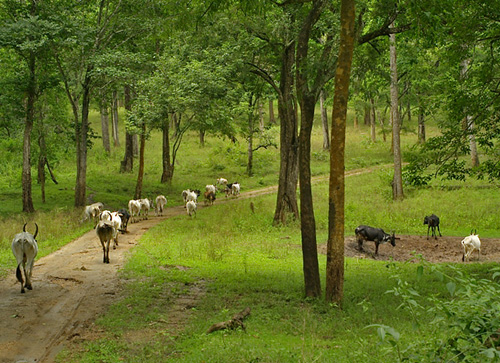
India’s grasslands are some of the most diverse and yet least recognized ecosystems in the country. Stretching across regions like the Deccan Plateau, Western Ghats, and Himalayan foothills, these grasslands support a rich tapestry of life. They provide essential habitats for iconic species such as the blackbuck, Indian wolf, and the critically endangered great Indian bustard, while also nurturing countless lesser-known plants, insects, and birds.
Beyond their biodiversity value, grasslands are vital for maintaining ecological balance. They act as natural carbon sinks, absorbing carbon dioxide from the atmosphere and helping combat climate change. Their deep-rooted grasses stabilize soil, preventing erosion and desertification. For local communities, grasslands offer resources for grazing, medicinal plants, and livelihoods, making their conservation crucial for both people and nature.
Despite their significance, India’s grasslands face numerous threats. Rapid urbanization, agricultural expansion, and industrial development have led to habitat loss and fragmentation. Misconceptions about grasslands as “wastelands” have further contributed to their neglect.
Conservation organizations, including The Habitats Trust and others, are working to reverse this trend through habitat restoration, policy advocacy, and community engagement. Initiatives focus on mapping and protecting key grassland regions, educating local communities, and promoting sustainable land management practices.
Individuals can contribute to grassland conservation by raising awareness, supporting responsible ecotourism, and backing policies that recognize grasslands as vital ecosystems. Simple actions, such as reducing carbon footprints and supporting organizations working on grassland restoration, can make a meaningful impact.
By conserving India’s grasslands, we’re not just protecting wildlife – we’re safeguarding an essential natural system that underpins the country’s environmental health. Together, we can ensure these vibrant landscapes continue to thrive for generations to come.